kako Basketball Shoes for Wide Feet
kako Basketball Shoes for Wide Feet
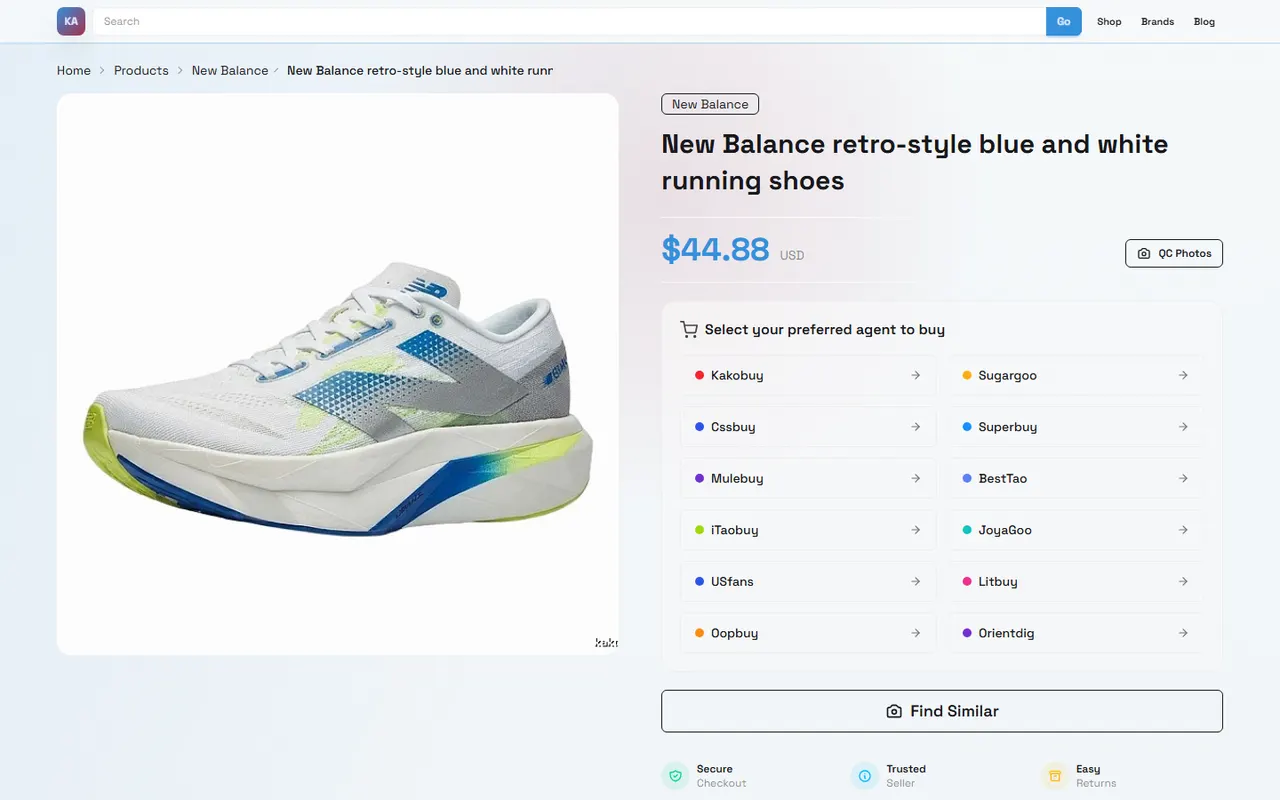
Clarify the sizing issues to solve when buying basketball shoes for wide feet
When buying basketball shoes for wide feet, what truly needs to be solved is not "should I buy a size larger?" but whether the shoe length, forefoot width, toe box shape, and wearing allowance are all suitable at the same time. A size too small may cause toe pressure, forefoot numbness, or little toe squeezing; simply going up a size may make the heel loose, affecting starts, stops, and landing stability.
This guide is suitable for buyers who are preparing to view or compare basketball shoe product information on kako-spreadsheets.com but are unsure about wide foot fit. After reading, you should be able to accomplish three things: measure foot length and width, record sizing and shoe shape clues from the product page, and keep a candidate verification record before placing an order.
If the product page does not have a clear size chart, upper structure diagrams, or sufficient toe box information, you cannot judge that it fits wide feet based solely on the product title. This article also does not replace specific brand official size recommendations, and will not treat unverified claims like "wide version", "wide last", or "comfortable and not squeezing" as facts. 🙂
Distinguish between appropriate shoe length and appropriate forefoot width
Shoe length being appropriate only means the distance from the heel to the longest toe roughly matches; it cannot prove there is enough space in the forefoot. Wide-foot buyers should observe the following issues separately:
Whether there is still a reasonable allowance in front of the longest toe, rather than just barely touching the toe cap.
Whether the widest part of the forefoot is noticeably pressed by the upper.
Whether the little toe falls near the edge of the upper or stitching.
After tightening the laces, whether there is obvious lateral compression on the instep and forefoot.
Whether the heel can be secured, to avoid buying too long just to increase forefoot space.
Basketball shoes usually need to balance stability and room for movement. When the toe box is too narrow, going up half a size may only increase length but not necessarily increase forefoot width; when the toe box is too long, toe allowance increases but heel slippage may occur. Therefore, "buy one size larger" is not a universal answer for wide feet. 👟
Look for toe box and forefoot clues from product images and specifications
On kako's product pages, first record the information actually visible on the page, and do not draw conclusions based only on the product title or a single main image. Focus on checking:
Whether front, top-down, or toe angle images are shown.
Whether the toe box silhouette is round, pointed, or gradually narrows from the midsole to the forefoot.
Whether the upper material has obvious stretchable structures, such as mesh, fabric, or zoned overlays.
Whether the lace holes can cover the wider forefoot position.
Whether the tongue, upper panels, and lateral support may restrict forefoot expansion.
Whether the product specifications clearly list shoe width, last type, applicable foot type, or brand sizing instructions.
These clues can only help establish candidate judgments, not replace actual width measurement. Product images may have angle, lighting, and proportion errors; if the image cannot show the toe box silhouette, mark "insufficient information" in the record, rather than inferring a regular shoe shape as wide last. 🔎
Use foot length, foot width, and size chart to build a verification record
It is recommended to measure both feet separately before purchasing. While standing, place your foot on paper, record the distance from the longest toe to the heel, then measure the widest part of the forefoot. If the data of the two feet are inconsistent, use the larger foot as the main reference, and save the measurement date and method.
Then check the measurement results against the size chart actually shown on the product page item by item. Do not directly cross-apply centimeter numbers, European sizes, or US sizes between different brands, and do not treat insole length as internal usable length. If the page does not have a size chart, mark that candidate as needing further confirmation, rather than converting a seemingly precise recommendation on your own.
Verification item | What to record | Conclusion that cannot be drawn directly |
|---|---|---|
Foot length | Left and right foot length, measurement date, measurement posture | Cannot judge forefoot width alone |
Foot width | Widest part of forefoot, difference between left and right feet | Cannot prove the upper will stretch |
Product size chart | Units displayed on page, corresponding sizes and notes | Cannot directly apply across brands |
Product images | Toe angle, upper structure, lace coverage | Cannot equate visual looseness with wide last |
Page status | Product name, specification completeness, whether link is accessible | Cannot guarantee stock or after-sales conditions remain unchanged |
Before publishing or placing an order, reconfirm the product name, size chart, selectable specifications, and link status on the page, and record the verification date, destination, and currency. Prices, stock, shipping, taxes, and return/exchange conditions may change; historical screenshots cannot be treated as current commitments. 🧾
Check length, width, and toe allowance when comparing different sizes
If the same product has multiple adjacent sizes, you can create a simple comparison record. Check three sets of information for each size:
Length: Whether the foot length range corresponding to the size chart covers the larger foot.
Width: Whether the page provides width data, and whether the toe box image shows obvious narrowing or compression risk.
Allowance: Whether there is reasonable activity space in front of the longest toe, while the heel will not obviously lose fixation due to increased length.
Prioritize candidates with complete evidence, rather than those that look cheapest or have the largest size number. If two sizes cannot simultaneously satisfy length and forefoot width, the problem may not be size, but that the shoe shape is not suitable for the current foot type. Continuing to increase the size usually cannot solve last mismatch.
Boundaries of judgment when images and page information are insufficient
The following situations are not suitable for giving a definite wide foot fit conclusion:
No readable size chart.
Product images only show the side, unable to observe toe box width.
The page does not explain shoe width, last type, or applicable foot type.
There is inconsistency between product name, specifications, and images.
The page cannot open properly, or only shows tabs, blank content, or incomplete information.
Key data comes from old screenshots, cannot confirm current page status.
In these cases, the product can be kept as a candidate for verification, but the missing evidence should be written down clearly. Do not use statements that cannot be verified from the current page, such as "must fit wide feet", "guaranteed not to squeeze", or "authentic sizes consistent". If you need to consult the seller, explain foot length, foot width, the size you are looking at, and specific questions at once, and keep the reply; do not disclose order number, payment information, or complete personal address.
Complete the wide foot fit checklist before placing an order
Before placing an order, complete the following checks in order:
Have measured left and right foot length and forefoot width, and recorded the measurement date.
Have confirmed the product name, specifications, and that the product page is accessible.
Have found the size chart on the current page, or clearly marked it as missing.
Have observed at least one product angle that shows the toe box or forefoot.
Have separately judged shoe length, forefoot width, toe allowance, and heel fixation.
Have recorded the verification date and applicable conditions for page price, stock, shipping, and return/exchange conditions.
Have saved necessary evidence such as product images, size chart, and consultation replies, and does not contain personal sensitive information.
Have confirmed that the selected candidate has the most sufficient evidence, rather than deciding based solely on keywords or one main image.
Final action: keep candidates with sufficient evidence
For basketball shoes for wide feet, the safest action is not to mechanically increase the size, but to keep candidates that can simultaneously explain foot length, foot width, toe box silhouette, and size correspondence. When information is complete, buyers can choose adjacent sizes with more basis; when information is insufficient, postponing the order or confirming with the seller first is usually more controllable than bearing the costs of returns, supplementary shipping, and uncomfortable wear.
This verification method is suitable for buyers who value landing stability, have longer training time, are prone to forefoot pressure, or have often encountered little toe squeezing in the past. It is not recommended to place an order based solely on the product title when the size chart is missing, toe box image is missing, and seller confirmation cannot be obtained. It may save costs from wrong purchases, returns, repeated international shipping, or unused products, but it will increase the time for measuring, recording, and waiting for confirmation; if you only pursue the fastest order, or the product itself cannot provide basic specification evidence, this method is not suitable for directly giving a definite size conclusion.
Agent Platform Shopping FAQ
1. How can I tell if a product meets quality standards on kako-spreadsheets.com?
Make your quality judgment based on the QC pictures, not the factory's own images, as those are often edited. The QC images let you verify if the item matches your exact specifications before you proceed with an actual purchase. Additionally, be cautious about items with extremely low prices, because such products usually lack good quality.
2. Is it safe to use kako-spreadsheets.com for browsing?
kako-spreadsheets.com does not gather any personal data; it functions only as a product listing for the agent platform. All buying and selling occur on the agent platform itself.
3. What categories of products are available on kako-spreadsheets.com?
kako-spreadsheets.com provides a wide array of product types, covering shoes, T-shirts, sweaters, hoodies, jeans, sweatpants, shorts, beach shorts, factory clearance goods, down jackets, baseball jerseys, shirts, hats, jewelry, bags, electronics, sunglasses, socks, underwear, and trendy collectibles.
Browse our latest products and find your next favorite item.